COMMUNITY SPOTLIGHT
Magnolia Women's Recovery Programs
Healing without shame, building stronger futures
by Sam Felsing
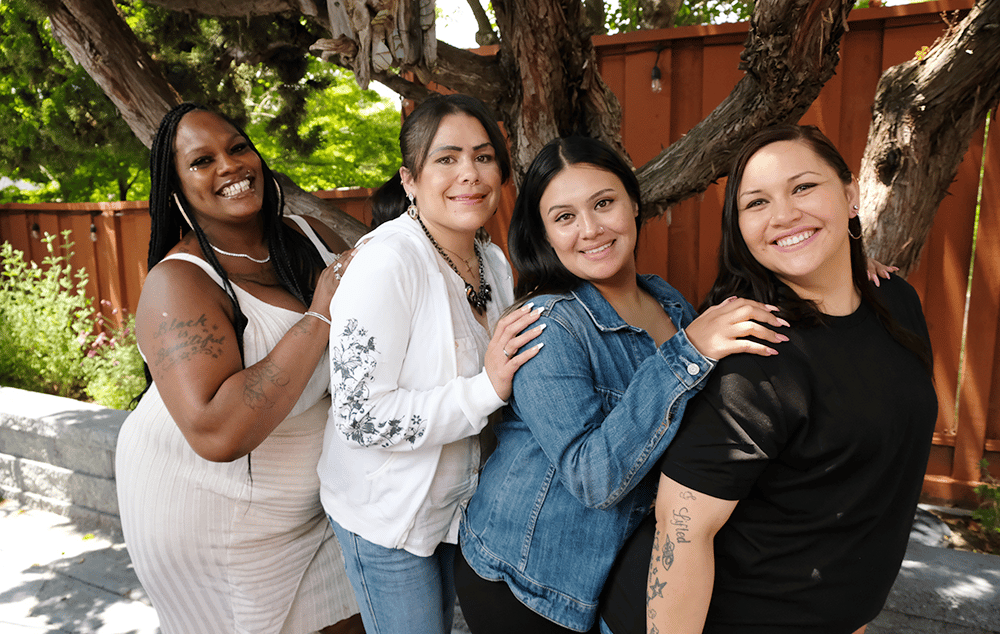
At Magnolia Women’s Recovery Programs, recovery begins with something many of their clients have never had access to before: a judgment-free space to heal.
“When you walk into the doors of Magnolia, you are not judged. You are welcomed. You are part of a family, a sisterhood,” says Anna McConnell, a Magnolia alumna and now Outreach and Engagement Coordinator.
Founded in 2005 in Newark, California by Dr. Linda Stewart EdD, LMFT, Magnolia was created to address a critical gap: the lack of recovery programs designed specifically for pregnant women and mothers navigating substance use and mental health challenges—particularly those that allow women to remain with their children during treatment. From its early days in the East Bay, Magnolia has built a model rooted in dignity, family unity, and long-term healing.
As a non-profit organization serving women of all backgrounds, Magnolia focuses on helping pregnant and postpartum women, as well as mothers with young children, across Alameda County. Many of the women are unhoused and survivors of trauma such as sex trafficking, domestic violence, and many other kinds of challenging situations. These residential healing centers are now located in both Hayward and Oakland and accept Medi-Cal.
By keeping families together during recovery, Magnolia recognizes a powerful truth: when mothers heal, families and communities heal with them. As McConnell explains, “Women are really the pivotal people in the community. Mothers are providers, protectors. When a mother is struggling, and she takes the time to heal herself, not only is she healing, and her children are healing, but the communities around her are healing too.”
At the heart of Magnolia’s work is its unique Three Phases of Treatment, developed by founder Dr. Linda Stewart. This model guides women through a deeply personal healing process that reconnects them with their own sense of love, compassion, and self-worth.
Phase One helps women begin to feel again—developing compassion for themselves and others and stepping out of survival mode.
Phase Two focuses on confronting and releasing shame, guilt, anger, and loss, allowing women to begin rebuilding self-love.
Phase Three centers on forgiveness and acceptance—helping women release the hold of the past and recognize their inner strength and beauty.
At Magnolia, women engage in a range of trauma-informed treatments and reflective exercises designed to support deep, lasting healing. A central part of the program involves structured writing assignments in which participants identify and process pivotal life experiences—often for the first time—bringing to light emotions that have been suppressed. These reflections are shared in guided group sessions with licensed therapists, creating a supportive environment where women can speak openly without judgment and receive affirmation from their peers. Through this process, along with one-on-one counseling and goal-setting work, women confront feelings like shame, guilt, and anger, begin to rebuild self-worth, and develop healthier coping strategies. The program emphasizes emotional honesty, accountability, and connection—helping women move from survival mode toward a place of stability, self-understanding, and growth.
Through the Magnolia process, healing becomes more than individual—it becomes generational. The growth women experience flows into their children, families, and communities, helping break cycles of trauma. And healing continues after women leave Magnolia, with the help of the sisterhood, too.
“When the alumnae came together for our first 'Celebration of Recovery' this past January, you could see how others have blossomed. I really honed in on that, because as an alumna myself, I think that's so important. Treatment starts at Magnolia, but recovery really starts that first day when you step out the door. That’s when you will be truly tested, so it's important to have that support in that sisterhood.” McConnell says.
The alumnae are quite impressive as well. Some of them are working in law enforcement. Others are therapists or in school for SUD counseling, and some are on their way to becoming accountants, among many other professions. “Magnolia has truly built a strong foundation for these women to stand up and say, ‘You know what? I can do this.’ It’s been really beautiful to see.” McConnell says.
Magnolia also continues to support women and families by addressing the basic needs that enable long-term stability. Through its Housing Stabilization and Utility Resource Funding program, Magnolia provides limited financial assistance to cover essential utilities — such as gas, electricity, and water — for those experiencing hardship, preventing shutoffs, restoring services, and reducing the risk of eviction.
In addition, Magnolia connects women to a wide network of community resources through its website and partnerships. These include:
Healthcare and mental health services
Childcare and early childhood programs
Pregnancy and fertility testing resources
Substance use support services
Housing and family support programs
At its core, Magnolia is about restoring dignity. It is about creating a space where women are not reduced to their struggles but recognized for their strength. A place where they are supported not just to recover—but to lead, to parent, and to rebuild their lives with pride and integrity.
Learn more or get involved:
https://www.magnoliarecovery.org/
@magnoliarecovery
facebook.com/magnoliarecoveryinc